Better together: How team-based care is transforming patient health
April marks National Interprofessional Healthcare Month – an observance that may not be widely known, but carries an important message for patients and clinicians alike: health care works best when it works together.
First established in 2016 by the National Academies of Practice, the month highlights the value of collaboration among professionals across medical disciplines. From primary care physicians and nurses to behavioral health specialists and pharmacists, coordinated, team-based care leads to better outcomes, improved patient experiences, and more efficient treatment.
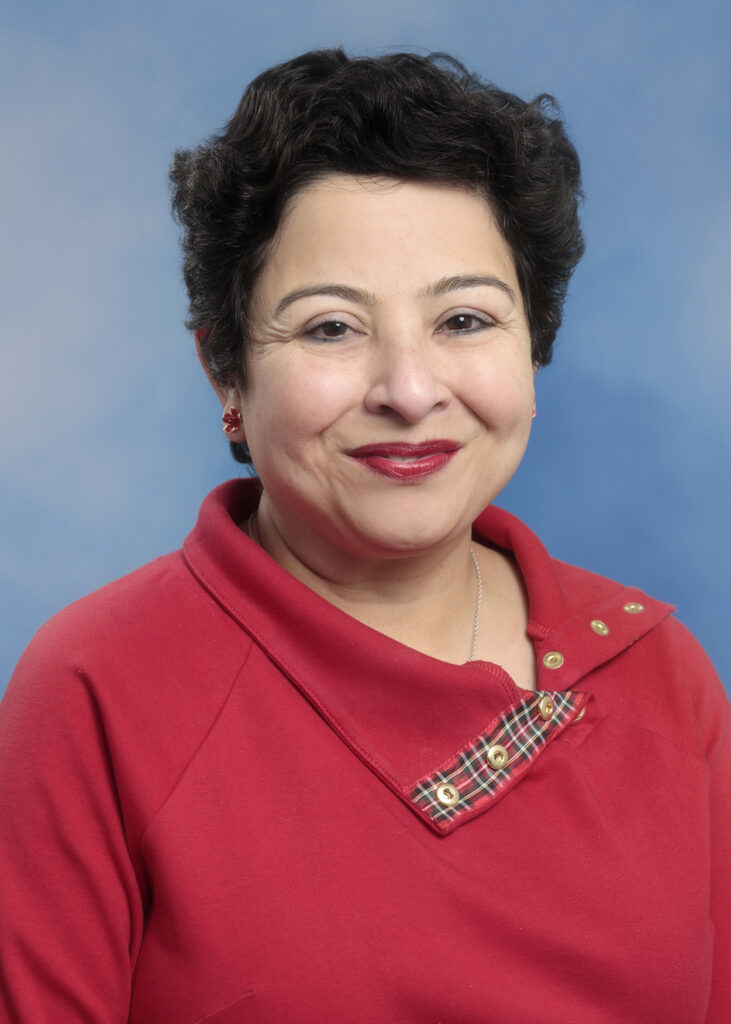
Jumee Barooah, M.D., FACP, is senior vice president of education and designated institutional official for The Wright Center for Graduate Medical Education. In this leadership role, she serves as the face of The Wright Center’s trailblazing efforts to integrate whole-person primary and preventive health services for all with innovative workforce development.
This collaborative approach is at the heart of The Wright Center’s mission. Now celebrating its 50th anniversary, the enterprise delivers whole-person primary and preventive health services across 13 community health centers in Northeast Pennsylvania. More than 670 professionals work together across specialties – including pediatrics, geriatrics, obesity medicine, lifestyle medicine, dental care, addiction and recovery services, behavioral health, and HIV/AIDS and hepatitis C treatment – to ensure patients receive compassionate, high-quality, comprehensive, connected care.
That same spirit of collaboration extends to training the next generation of physicians and interprofessional health care workers. In March, The Wright Center for Graduate Medical Education welcomed 62 new resident physicians through National Match Day, when medical students across the country learn where they will complete their residency training.
As one of the nation’s largest U.S. Health Resources and Services Administration-funded Teaching Health Center Graduate Medical Education Safety-Net Consortiums, The Wright Center trains nearly 200 physicians and about 200 interprofessional learners each year. This year’s incoming class includes residents in internal medicine, family medicine, and physical medicine and rehabilitation, as well as participants in our specialized internal medicine-geriatrics integrated pathway program and eight fellow physicians in our cardiovascular disease, gastroenterology, and geriatrics fellowship programs.
Equally important is the enterprise’s investment in future health care professionals through its summer internship program. Each year, high school and college students gain hands-on experience across departments ranging from clinical care to administration, finance, and marketing and communications. A capstone project challenges each intern to explore a topic in depth and present their findings to our leadership team. For more information about our annual internship program, visit TheWrightCenter.org.
Our programs help to build a pipeline of skilled, compassionate professionals who understand the importance of collaboration from the start. Ultimately, it is in the patient’s best interest for all team members to collaborate effectively toward a shared goal of providing comprehensive, whole-person care.
Interprofessional care isn’t just a concept – it’s a commitment to working together to deliver better health for every patient and every community, every time.