В мае светит свет на психическое здоровье
Научитесь откровенно говорить о психическом здоровье и выздоровлении
Май - месяц осведомленности о психическом здоровье. Управление по борьбе со злоупотреблением психоактивными веществами и психическими заболеваниями, Национальный альянс по борьбе с психическими заболеваниями и множество других организаций предлагают множество бесплатных, основанных на фактических данных инструментов для обучения, скрининга и информирования.
Но что такое психическое здоровье на самом деле?
Как человек с семейной историей психических заболеваний и активно работающий (а иногда и терпящий неудачи) каждый день, чтобы излечиться от них, я могу немного рассказать об этом на основе жизненного опыта.
Психическое здоровье наступает, когда мы проживаем моменты жизни, намеренно обращаясь и активно используя то, что доктор Ричард К. Шварц называет качествами "Я": сострадание, любопытство, ясность, креативность, спокойствие, уверенность, смелость, связанность, присутствие, терпение, перспектива, настойчивость и игривость.
Может быть, все это кажется очевидным, но в то же время очень сложно делать это последовательно. Каждый из нас живет с накопленным опытом своего прошлого. Этот накопленный опыт, или экспосома, формирует нас - нашу неврологию, нашу эндокринологию, нашу психологию, все - от утробы матери до могилы.
Человеческие существа - это машины, создающие смысл. В детстве мы воспринимали вещи, с которыми сталкивались, определенным образом. Со временем это осмысление превратилось в шаблоны, или фильтры, с помощью которых мы осмысливаем свою жизнь, став взрослыми. Взрослые могут проявить некоторую самостоятельность, чтобы изменить эти шаблоны и убрать фильтры, расти и меняться, но только в той степени, в какой мы готовы признать, что фильтры существуют.
I know that some of you don’t want to hear this, but health care is intense. Other industries – tech and manufacturing come to mind – can be intense, too. But truly, health care is different by degrees. This is true for a few reasons, but in a very real sense, it can be boiled down to distress and awareness. Despite the climbing suicide rate, the need for trained clinicians, and the persistence of health care as one of the top industries for suicide incidence, medical education continues to avoid content and crucial conversations about mental health. Yet, we depend on these very professionals to treat those unexplored issues while also taking care of themselves.
We don’t expect health care professionals to treat – but not to know about – issues with the pulmonary system, so why do we do this with mental health?
From neurodivergence to mental illness and everything in between (often with huge overlaps), the health care industry still, in 2024, looks askance at non-physical atypicality and its manifestations. Mature, evidence-based conversations are not happening with enough frequency to address gaps in clinical knowledge, so as sense-making machines, educated and well-meaning people chalk it up to a will issue.
I have stress, and I’m not (insert mental health issue here). They just have to choose not to (insert behavior here).
But, in the same way that we would not expect someone with a broken leg to run down the hall, we ought not to expect someone with mental health challenges to choose to be well. There are no ADA-compliant ramps, no underarm crutches, and no amount of kinesiology tape that works for mental health. Furthermore, the things required for recovering mental health – a combination of community, compassion, understanding, time, therapeutic fit with the right professional, and sometimes medication – do not fit with the toughen-up nature of our industry’s history.
May being Mental Health Month gives us an opportunity to intentionally reflect on and respond to all of this. Join us for a safe and real conversation from noon to 1 p.m. on Thursday, May 16, in our Scranton Practice’s Room 405. We will begin to normalize mental health conversations and discuss how we can include and support the sense of belonging of each person.
Sincerely,

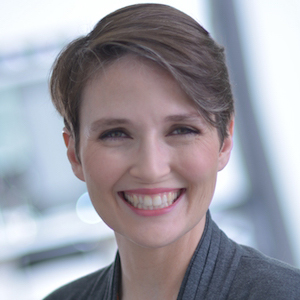
Миган Радди, доктор философии.
Старший вице-президент по корпоративному оздоровлению и устойчивости, оценке и продвижению, а также главный специалист по стратегическим исследованиям и разработкам