五月关注心理健康
学习如何坦率地谈论心理健康和康复
五月是心理健康宣传月。美国药物滥用和精神健康服务管理局、全美精神疾病联盟以及其他无数的组织都提供了许多免费的、以证据为基础的教育、筛查和信息工具。
但是,什么才是真正的心理健康呢?
作为一个有家族病史,并且每天都在积极努力(有时也会失败)从精神疾病中恢复过来的人,我可以从生活经验的角度来谈谈这个问题。
当我们在生活中有意识地呼唤并积极运用理查德-C-施瓦茨博士(Dr. Richard C. Schwartz)所说的自我的 Cs 和 Ps 特质时,我们的心理就会健康:同情心、好奇心、清晰度、创造力、冷静、自信、勇气、联结性、存在感、耐心、透视力、坚持不懈和游戏性。
也许这一切看起来非常明显,但要做到始终如一却也非常具有挑战性。我们每个人都生活在过去积累的经验中。这些累积的经验,或者说 "暴露体",塑造了我们--我们的神经学、内分泌学、心理学,我们的一切--从子宫到坟墓。
人类是制造感觉的机器。孩提时代,我们以特定的方式理解我们所接触的事物。随着时间的推移,这种感官制造成为我们成年后感知生活的模式或过滤器。成人可以行使某种代理权,改变这些模式,去除这些过滤器,成长和改变,但实际上,只有在我们愿意承认这些过滤器存在的情况下,才可以这样做。
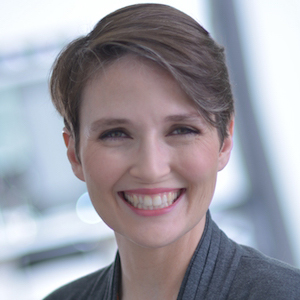
I know that some of you don’t want to hear this, but health care is intense. Other industries – tech and manufacturing come to mind – can be intense, too. But truly, health care is different by degrees. This is true for a few reasons, but in a very real sense, it can be boiled down to distress and awareness. Despite the climbing suicide rate, the need for trained clinicians, and the persistence of health care as one of the top industries for suicide incidence, medical education continues to avoid content and crucial conversations about mental health. Yet, we depend on these very professionals to treat those unexplored issues while also taking care of themselves.
We don’t expect health care professionals to treat – but not to know about – issues with the pulmonary system, so why do we do this with mental health?
From neurodivergence to mental illness and everything in between (often with huge overlaps), the health care industry still, in 2024, looks askance at non-physical atypicality and its manifestations. Mature, evidence-based conversations are not happening with enough frequency to address gaps in clinical knowledge, so as sense-making machines, educated and well-meaning people chalk it up to a will issue.
I have stress, and I’m not (insert mental health issue here). They just have to choose not to (insert behavior here).
But, in the same way that we would not expect someone with a broken leg to run down the hall, we ought not to expect someone with mental health challenges to choose to be well. There are no ADA-compliant ramps, no underarm crutches, and no amount of kinesiology tape that works for mental health. Furthermore, the things required for recovering mental health – a combination of community, compassion, understanding, time, therapeutic fit with the right professional, and sometimes medication – do not fit with the toughen-up nature of our industry’s history.
May being Mental Health Month gives us an opportunity to intentionally reflect on and respond to all of this. Join us for a safe and real conversation from noon to 1 p.m. on Thursday, May 16, in our Scranton Practice’s Room 405. We will begin to normalize mental health conversations and discuss how we can include and support the sense of belonging of each person.
Sincerely,
Meaghan Ruddy 博士
企业健康与复原力、评估与推进高级副总裁兼首席战略研发官