A local physician with ties to hospitals in Scranton and Wilkes-Barre will join The Wright Center for Community Health’s new primary care center in Tunkhannock, which opened on Sept. 9.
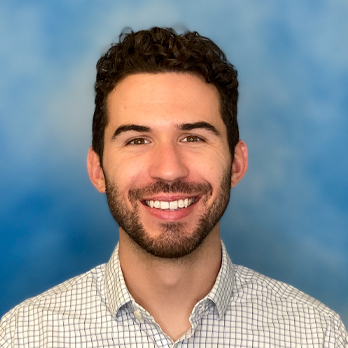
Henry C. Novroski, D.O.
Dr. Henry C. Novroski will provide whole-person primary health services for people of all ages, including checkups, physicals, screenings, and treatment of common illnesses and injuries at The Wright Center’s new location in the Wyoming County Healthcare Center in Tunkhannock, 5950 U.S. Route 6, Suite 401. The office is open Monday through Friday from 8:30 a.m. to 5 p.m., offering access to integrated medical and behavioral health care, as well as community-based addiction treatment and recovery services.
He will join a staff of health care professionals at The Wright Center’s new primary care center in the former Tyler Memorial Hospital, including physician assistant Mallory Racoski. To schedule an appointment, go to TheWrightCenter.org or call 570-591-5299.
Dr. Novroski has worked as a family medicine physician in Dunmore since 2021. He also has experience as an emergency department physician at Moses Taylor Hospital in Scranton and Wilkes-Barre General Hospital.
The Shavertown resident earned a bachelor’s degree in biology at then-Wilkes College and his medical degree from the Philadelphia College of Osteopathic Medicine. He then completed a Wyoming Valley Family Practice residency and subsequently served as a member of the residency’s faculty for more than two years.
The Wright Center is a Federally Qualified Health Center Look-Alike with a growing network of primary care centers throughout Lackawanna, Luzerne, Wayne, and Wyoming counties. Headquartered in Scranton, The Wright Center operates 12 community health centers, including a mobile medical and dental unit called Driving Better Health. The locations serve patients of all ages, income levels, and insurance statuses. No patient is turned away due to an inability to pay.
The Wright Center for Community Health, along with regional community partners, is holding a celebration dinner on Wednesday, Sept. 25, to highlight the success of a grant-funded project that provided access to more than 100 people to become certified recovery specialists while challenging the stigma associated with employing people with substance use disorder.
The event at the Radisson Lackawanna Station Hotel, 138 Jefferson Ave., Scranton, from 5:30-7:30 p.m. will include brief comments from the project’s organizers as well as area residents who completed and benefited from the career training program.
Project PROGRESS, funded in part through an Appalachian Regional Commission INSPIRE grant, was a three-year effort led by The Wright Center in collaboration with partners across a multicounty area heavily impacted by the ongoing opioid crisis. The acronym PROGRESS stands for Providing Recovery Opportunities for Growth, Education, and Sustainable Success.
Meaghan P. Ruddy, Ph.D., senior vice president and chief strategic research & development officer at The Wright Center for Community Health.
“Through this impactful project, we provided critical job training and support to 76 people who have been able to pursue employment in the field,” said Meaghan P. Ruddy, Ph.D., senior vice president and chief strategic research & development officer at The Wright Center. “Project PROGRESS also served as an important call to our communities to recognize addiction as a chronic illness and to work across sectors to create a recovery ecosystem in which people moving from treatment to life in recovery are compassionately supported.
“That ecosystem requires us to build links among not only recovery communities and health and human services programs, but also many others, including transportation, public safety, housing, education, and employment providers.”
The Project PROGRESS grant period officially ends in September. However, a website at ProjectProgressNEPA.org, will remain active for at least three years, providing links to helpful resources on topics such as overcoming stigma, job hunting while in recovery, and finding recovery-friendly workplaces.
The Wright Center collaborated with Luzerne County Community College, the Northeast Pennsylvania Area Health Education Center, The Institute, and the Wayne Pike Workforce Alliance to deliver the recovery-to-work initiative in Lackawanna, Luzerne, Pike, Susquehanna, Wayne, and Wyoming counties.
“There is a great need for peer support in addiction recovery services and a shortage of certified recovery specialists in Northeast Pennsylvania,” said Susan Spry, associate vice president of academic affairs at Luzerne County Community College. “Certified recovery specialists offer crucial support and resources to those seeking to live a life in recovery. Project PROGRESS and our community partners have played a vital role in addressing the stigma associated with recovery and creating a pathway for individuals to access the training they need to fill these important professional positions.”
“Professional certified recovery specialists play a valuable role in addiction recovery services in Northeast Pennsylvania,” added Mary K. Murphy, a certified recovery specialist trainer at Luzerne County Community College. “Their experience, strength, and hope, combined with the tools and education provided by Project PROGRESS, empower certified recovery specialists to assist individuals on their journey to recovery from addiction.”
Assistance and guidance were also provided by the AllOne Foundation, the Greater Scranton Chamber of Commerce, the Northeastern Pennsylvania Alliance, the Wayne County Commissioners, the Wayne Economic Development Corporation, and the Office of Congressman Matt Cartwright.
Individuals who met the eligibility requirements to enroll in the certified recovery specialist training were able to take the class for free. The grant project also covered the cost of their certification examination fees.
A certified recovery specialist is someone who has overcome substance use disorder and who works as part of a multidisciplinary care team to help other individuals achieve and maintain long-term sobriety. Using their own life experiences, certified recovery specialists mentor, motivate, and advocate to ensure patients are supported on their journey toward wellness.
“The Northeast Pennsylvania Area Health Education Center (NE PA AHEC) was excited to participate in Project PROGRESS,” said Debra Youngfelt, executive director of NE PA AHEC. “By offering community health worker training, we provided individuals in recovery with the opportunity to gain new skills and expand their employment options. The significance of certified recovery specialists and community health workers in our communities, along with the invaluable lived experiences they bring to those in recovery, cannot be overstated as the demand for these roles continues to grow.
“Project PROGRESS was a tremendous success, not only by providing training and employment opportunities to many in recovery, but also by filling a gap in the continuum of care for individuals with substance use disorders.”
Thanks to the partnership with the Wayne Pike Workforce Alliance, Project PROGRESS was able to extend its reach to rural counties and, in turn, attract additional candidates into the training program.
“Our unique relationship with Project PROGRESS transformed lives, strengthened our communities, and addressed the stigma that oftentimes prevents people from all walks of life from addressing their substance use disorder and living a life in recovery,” said Katheryne Hait, SHRM CP, chief operating officer at Wayne Pike Workforce Alliance. “I am extremely proud of the lasting partnerships we forged with several community organizations and the members of our communities who are now leading by example in their roles as certified recovery specialists.”
Today, employers in Pennsylvania are seeking to fill these professional positions in a range of business settings, such as recovery and treatment centers, prisons, hospitals, and human services and health care settings.
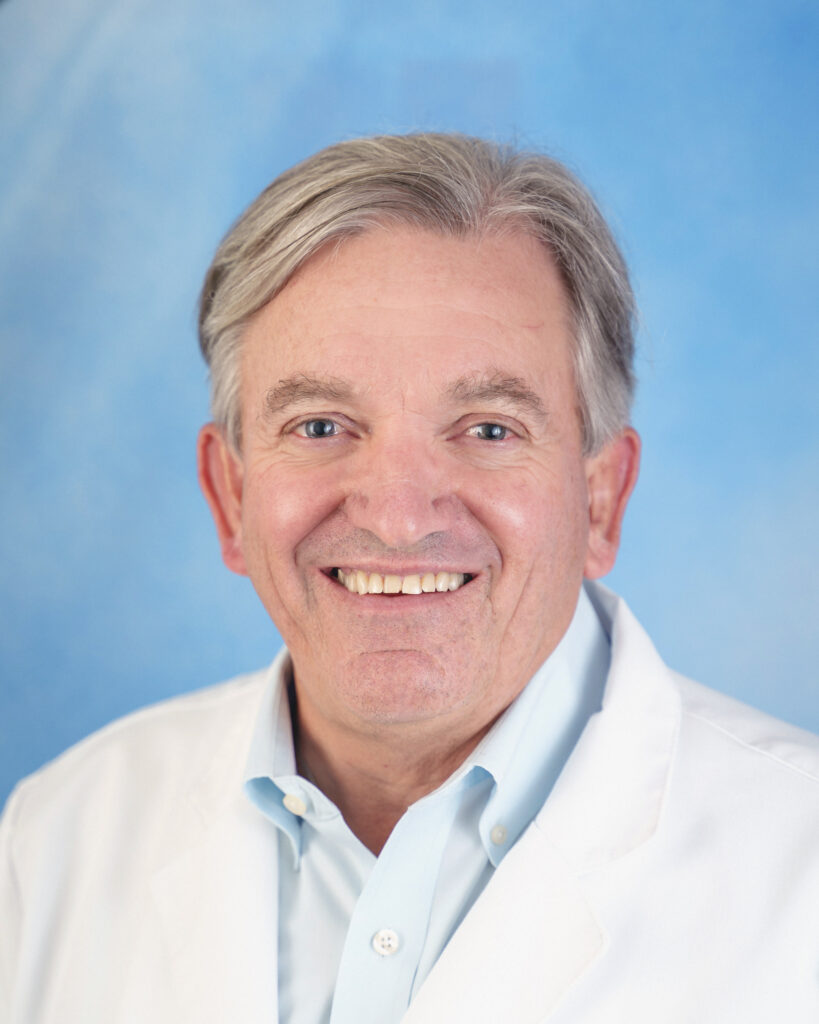
Dr. Stephen S. Long Jr., an internal medicine-pediatrics (Med-Peds) physician, recently joined The Wright Centers for Community Health and Graduate Medical Education. He is now accepting patients of all ages at two of The Wright Center for Community Health’s primary care community health centers.
Dr. Long is available for appointments at The Wright Center for Community Health’s Clarks Summit primary care center at 1145 Northern Blvd. in South Abington Township on Mondays and Tuesdays and the Mid Valley primary care center at 5 S. Washington Ave. in Jermyn, from Wednesdays through Fridays.
To schedule an appointment with Dr. Long, visit TheWrightCenter.org or call the Clarks Summit location at 570-585-1300 or the Mid Valley location at 570- 230-0019.
Stephen S. Long Jr., M.D.
Dr. Long received his medical degree from the Geisinger Commonwealth School of Medicine. He returned to Northeast Pennsylvania after completing his Med-Peds residency at MaineHealth Maine Medical Center in Portland. A Bethlehem, Pennsylvania native, he earned his Bachelor of Science in biochemistry, cell and molecular biology, and philosophy from the University of Scranton.
Dr. Long has also embraced an institutional academic leadership role in faculty development which will allow him to thoughtfully guide and contribute to the professional growth and development of his physician colleagues, while fostering an environment of continuous lifelong learning and improvement.
Dr. Long lives in Moscow with his wife, Juliette Meyers, an Archbald native recently hired by The Wright Centers for Community Health and Graduate Medical Education as an art therapist. A Valley View High School graduate, she received a master’s degree in art therapy and a bachelor’s degree in communications and media studies from Marywood University.
As a nonprofit Federally Qualified Health Center Look-Alike and safety-net provider of whole-person primary health services, The Wright Center for Community Health serves vulnerable and medically underserved populations of all ages, regardless of ethnic background, ZIP code, insurance status, or ability to pay. It accepts all insurance plans and offers a sliding-fee discount program based on federal poverty guidelines that consider family size and income. No patient is ever turned away due to an inability to pay.
Headquartered in Scranton, The Wright Center for Community Health operates 11 comprehensive primary and preventive care community health centers in Lackawanna, Luzerne, Wayne, and Wyoming counties, as well as a mobile medical and dental unit called Driving Better Health. Patients typically have the convenience of going to a single location to access integrated medical, dental, and behavioral health care, as well as community-based addiction treatment and recovery services, including medication-assisted therapy. For more information, go to TheWrightCenter.org or call 570-230-0019.
The Wright Center for Graduate Medical Education was established in 1976 as the Scranton-Temple Residency Program, a community-based internal medicine residency. Today, The Wright Centers for Community Health and Graduate Medical Education are one of the largest U.S. Health Resources and Services Administration-funded Teaching Health Center Graduate Medical Education Safety-Net Consortiums in the nation.
Together with consortium stakeholders, The Wrights Centers for Community Health and Graduate Medical Education train residents and fellows in a community-based, community-needs-responsive primary care workforce development model to advance their shared mission.
The Wright Center for Graduate Medical Education’s residency and fellowship programs are accredited by the Accreditation Council for Graduate Medical Education. The Wright Center for Community Health’s Advanced Education General Dentistry Residency under New York University Langone is accredited by the Commission on Dental Accreditation. For more information, go to TheWrightCenter.org or call 570-866-3017.
Committee organizers, from left, are Karen Case, Helayna Szescila, deputy chief governance officer, The Wright Center; Kimeth Robinson, manager, The Wright Center for Community Health in Wilkes-Barre; Dr. Linda Thomas-Hemak, president and CEO, The Wright Centers for Community Health and Graduate Medical Education, and co-chair, The Wright Center for Patient & Community Engagement Board of Directors; Kara Seitzinger, executive director, public affairs/advisor liaison to the president and CEO, The Wright Center; Mary Marrara, co-chair, The Wright Center for Patient & Community Engagement Board of Directors; Lorraine Lupini, board member, The Wright Center for Patient & Community Engagement Board of Directors; and Ellen Walko, secretary, The Wright Center for Patient & Community Engagement Board of Directors. Missing from photo are Geraldine McAndrew, director of development and relations for community outreach, The Wright Center; Holly Przasnyski, director, The Wright Center for Patient & Community Engagement; and Kathleen Doyle, director, patient-centered services, The Wright Center.
The Wright Center for Patient & Community Engagement is hosting a special Wonderful Women Breast Cancer Support program on Wednesday, Oct. 16, from 5-7 p.m. at The Wright Center for Community Health’s primary care community health center in Wilkes-Barre, 169 N. Pennsylvania Ave., with keynote speaker Dr. Lisa Thomas of Hematology & Oncology Associates of Northeastern Pennsylvania.
Julie Rutkowski of the Strong and Coura’Jess Foundation will also talk about the foundation that helps women with terminal illnesses connect with resources that can help their mental, spiritual, and physical health during treatment. The nonprofit foundation is named in honor of her daughter Jessica Rutkowski, a mother of three who died in 2021 from stage 4 triple negative breast cancer.
These historical documents from May 14, 1827, are from the collection of the Lackawanna Historical Society 2023.14.46 A/B, and detail the 800-acre land grant awarded in 1797 by the state of Connecticut to New England native Deacon William A. Clark, the founder of Clarks Green and Clarks Summit boroughs, in recognition of his heroic service during the Revolutionary War. VFW Park in Dickson City, which sits on part of this original land, has been chosen by The Wright Center for Community Health as the site to plant its certified Liberty Tree from America250PA and the Grand Lodge of Pennsylvania, also called the Pennsylvania Freemasons, because of the park’s deep historical ties to the American Revolution.
The Wright Center for Community Health will receive a certified Liberty Tree, a living symbol of American independence, from America250PA and the Grand Lodge of Pennsylvania, also called the Pennsylvania Freemasons, that will be planted at VFW Park in Dickson City. In celebration of the United States’ upcoming 250th anniversary, this historic tulip poplar will be the only Liberty Tree to take root in Lackawanna County as part of a statewide effort to honor the nation’s founding.
The public is invited to attend a dedication ceremony for the Liberty Tree at 6 p.m. on Thursday, Sept. 26, rain or shine, at the park, located at Jermyn and Walker streets in the borough.
The tree, sponsored by the Pennsylvania Freemasons, is part of a larger initiative that began in the fall of 2021 to plant 67 Liberty Trees — one in each of Pennsylvania’s counties — by 2026, as part of America250PA, a program coordinating statewide events in observance of the United States Semiquincentennial. Each tree will have a Liberty Tree Project plaque beside it, inscribed with the names of the Liberty Tree recipient, America250PA, and the Pennsylvania Freemasons.
The saplings are propagated from a scion of a historic 400-year-old tulip poplar, the last known surviving Liberty Tree, that once stood at St. John’s College in Annapolis, Maryland. The original Liberty Tree, an iconic elm in Boston, served as a gathering place for the Sons of Liberty, who convened beneath its branches to plan their resistance to British rule in the years leading up to the American Revolution. In 1775, British soldiers and Loyalists cut down and burned the Boston Liberty Tree, hoping to quell the growing rebellion. Undeterred, patriots across the 13 colonies designated new Liberty Trees, each one symbolizing hope and freedom.
The last of these original Liberty Trees, the towering 120-foot tulip poplar at St. John’s College, stood during pivotal moments in American history. Under its branches, revolutionaries gathered during the Stamp Act of 1765 to advocate for independence from Great Britain. Samuel Chase and William Paca, members of the Annapolis chapter of the Sons of Liberty and later, signers of the Declaration of Independence, gathered for meetings under the tree. George Washington’s resignation as commander of the Continental Army on Dec. 23, 1783, occurred near the tree at the Maryland State House.
Hurricane Floyd destroyed the tree in 1999, but its legacy lives on through the saplings being planted across Pennsylvania.
To receive the Liberty Tree, The Wright Center needed to locate publicly accessible land in Lackawanna County that has historical ties to the American Revolution where the tulip poplar could be planted, explained Gina Lettieri, The Wright Center’s archivist.
After extensive research, Lettieri determined that Dickson City’s VFW Park was an ideal location.
New England native Deacon William A. Clark, founder of Clarks Green and Clarks Summit boroughs and a hero at the Battle of Bunker Hill during the Revolutionary War, was awarded 800 acres of land in Pennsylvania by Connecticut in 1797 as a token of gratitude for his service. Lettieri’s research uncovered that the VFW Park in Dickson City sits on those original 800 acres.
After securing support from Dickson City officials, Lettieri submitted The Wright Center’s application for the Liberty Tree.
“By planting our Liberty Tree at VFW Park in Dickson City, we are not only commemorating American history but also reinforcing The Wright Center’s commitment to improving the health and welfare of our communities,” said Lettieri. “This historic tree will stand for the next 250 years and beyond as a symbol of The Wright Center’s noble mission.”
The Pennsylvania Freemasons, the oldest and largest fraternal organization in the world with more than 3.5 million members, including 86,000 in the commonwealth, have planted five certified Liberty Trees locally, one each in Carbon, Luzerne, Monroe, Pike, and Wayne counties.
Honesdale resident exploring ways to help others in recovery after receiving support from The Wright Center for Community Health’s Healthy Maternal Opiate Medical Support Program
Shannon Sharkazy and her children, from left, Carter, 10; Blake, 11; Mason, 5; and Emerson, 4 spend time in the orchard on their Beach Lake property. For more information about the Healthy MOMS Program, go to HealthyMOMS.org
Shannon Sharkazy has always felt a calling to help others. First, though, she had to help herself.
A 36-month prison sentence for cocaine distribution and related charges proved to be the impetus for her recovery from substance use disorder in 2006. While incarcerated, Sharkazy helped some of her fellow inmates learn to read and take other steps to change their lives, igniting her passion for helping others.
“After I came home from prison, I knew I was not cut out for my old life,” the 41-year-old Honesdale, Pennsylvania, resident said. “I didn’t want to be that person, so I had to make some changes.”
Today, Sharkazy is a devoted mother of five children, ranging in age from 16 months to 11 years old. When she isn’t working as the administrator of a church in Beach Lake, Pennsylvania, she operates Gypsy Hollow, a transition home for rescued farm animals, where she is in the process of developing the mentorship program, Second Act, to help women – especially moms – learn and improve relationship, communication, and mindset skills.
She also speaks publicly about her recovery journey, attributing her success to those who supported her, including The Wright Center for Community Health’s Healthy Maternal Opiate Medical Support Program, known simply as Healthy MOMS.
“I needed support,” Sharkazy said. “They immediately saw who I really was and what I needed.”
Healthy MOMS focuses on helping mothers-to-be and mothers with substance use disorder, bringing together health care, legal, housing, and social services organizations from more than seven counties in Northeast Pennsylvania. Participants can join before giving birth and remain in the program until the child turns 2. An assigned case manager helps with a range of support services, including medications for opiate use disorder, counseling, primary and OB-GYN care, parenting tips, legal advice, and more.
The program has served mothers as young as 14, but most are in their late 20s and 30s. Named after a similar program in Ohio, it was introduced in this region as a pilot program in two counties, with initial grant funding secured by the Lackawanna/Susquehanna Office of Drug and Alcohol Programs. Today, it assists women in Lackawanna, Luzerne, Monroe, Pike, Schuylkill, Susquehanna, Wayne, and Wyoming counties. Since its launch in 2018, they’ve helped more than 500 mothers and welcomed more than 280 infants.
“As we know too well, it takes a village to raise a child. The complex struggles surrounding opioid addiction can make pregnancy an even tougher time,” said Maria Kolcharno, Healthy MOMS Program manager and director of addictions services at The Wright Center for Community Health. “The evidence suggests that mothers who join the program and participate in recovery services well before their delivery dates are less likely to give birth to babies who experience neonatal abstinence syndrome, a potentially painful and costly medical condition caused when a newborn withdraws from drugs the baby had been exposed to in the womb.”
Shannon Sharkazy feeds her mini-horses, Moonshine and Blaze, vegetable scraps while Emerson, 4, left, and Mason, 5, watch their mother.
‘I need help’
Despite Sharkazy’s commitment to sobriety after her release from prison, chaos ensued. She was married to an abusive alcoholic, far away from her family. She gave birth to her daughter, Blake, who is now 11, followed by her son, Carter, who is now 10.
She divorced her husband, moved back home with her two children, and eventually began dating a man who was recovering from substance use disorder. Unfortunately, he relapsed, and soon after, Sharkazy realized she was pregnant with her second daughter, Mason, now 5, who was born with cystic fibrosis and Down syndrome.
Over time, Sharkazy started taking prescription medication to manage pain caused by several debilitating, chronic issues. “My doses kept increasing,” Sharkazy said. “And then I got pregnant again, and I thought, ‘I can’t be on these ridiculous doses anymore. I need help.’”
She became aware of The Wright Center for Community Health offering medications for opiate use disorder through her ex-husband’s experience at the community health center in Jermyn. Aware that Suboxone, a prescription drug for managing substance use disorder, could also provide pain relief, Sharkazy started her treatment with The Wright Center in November 2019. She found the staff, especially Ed Walsh, a case manager in The Wright Center’s state-designated Opioid Use Disorder Center of Excellence, and Dr. Charles Burns, a former Wright Center doctor board certified in addiction medicine, to be exceptionally supportive and free of judgment.
Sharkazy then became one of the first clients in the Healthy MOMS Program to access the specialized health services she needed. Healthy MOMS Case Manager Michele Coyle has worked with Sharkazy for four years, celebrating her successes and helping her through life’s challenges. Over the years, Sharkazy has served as a keynote speaker at Wright Center events and shared her story at several other programs around the region.
“It’s been beautiful to see her maintain her sobriety and to act as an advocate for her children and herself,” Coyle said.
‘In the right place’
Although she was putting in the hard work with the support of Coyle and other staff members in the Healthy MOMs Program, Sharkazy’s use of Suboxone, along with other complications, led to an extended hospital stay for her newborn daughter, Emerson, who is now 4.
“Because of the medication I was prescribed, hospital staff assumed I was an IV drug user, even though I have never once put a drug in my veins and had been sober for years,” she said. “They treated me terribly, but the Healthy MOMS staff made it a lot easier. They advocated for me, in and outside of the hospital.”
Shannon Sharkazy feeds her mini-horses, Moonshine and Blaze, with her daughter, 5-year-old Mason.
Sharkazy remained in the Healthy MOMS Program for the birth of her fifth child, Ethan, who is now 16 months old. When she had similar problems with hospital staff over the stigma of using Suboxone, Healthy MOMS staff again advocated for her, including producing paperwork.
“I can’t imagine being a mom newly in recovery or a mom without a support system, facing these challenging situations,” Sharkazy said. “I knew I could just call Michele, and she would be there to talk to, do check-ins, and just to make sure I was mentally in the right place.”
Coyle said that, over the years, Sharkazy has become a resource to other clients, especially those with children who have special needs.
“I’m supporting her needs, but sometimes, I go to her for advice. She’s navigated the system and is willing to share what she’s learned,” Coyle said. “I think we’ve learned a lot together.”
‘Pay it forward’
Since its inception in 2018, Healthy MOMS has experienced significant growth, according to Coyle. As word spreads about its many success stories, The Wright Center has expanded the program’s reach and now collaborates with more than a dozen partner agencies, including Maternal and Family Health Services, Outreach Center for Community Resources, St. Joseph’s Center, Geisinger, Commonwealth Health, and several county agencies.
“We have a lot of opportunities now to do more with and for the moms in the program,” Coyle said. “Every case is different, but we’re ready to meet the needs of each client.”
These days, Sharkazy is thriving, thanks to the continued support of the Healthy MOMS Program.
“It’s amazing to see her succeed,” Coyle said. “This is why I do what I do. It’s nice to think about how I had a small part in her journey to where she is today.”
Sharkazy has also found myriad ways to fulfill her goal of helping others. In addition to raising her children, caring for her ailing father, and looking after a variety of rescued farm animals, she works at Beach Lake United Methodist Church. She has also shared her story while serving as an advocate for varied topics, including children with cystic fibrosis and Down syndrome, the lack of rural health care resources, single mothers, and mothers with substance use disorder.
“I tell my story to everyone. It’s a way to pay it forward,” she said. “Working with and being a voice for moms in recovery is something I want to continue to explore.”
For more information about the Healthy MOMS Program, go to HealthyMOMS.org.