News
Wright Center physician-leader recognized in ‘Above and Beyond-Women’ list by City & State PA
Dr. Jumee Barooah, senior vice president of education and designated institutional official for The Wright Center for Graduate Medical Education, has been named to a list of female role models across the state who exemplify ambition, creativity, and impact on their communities.
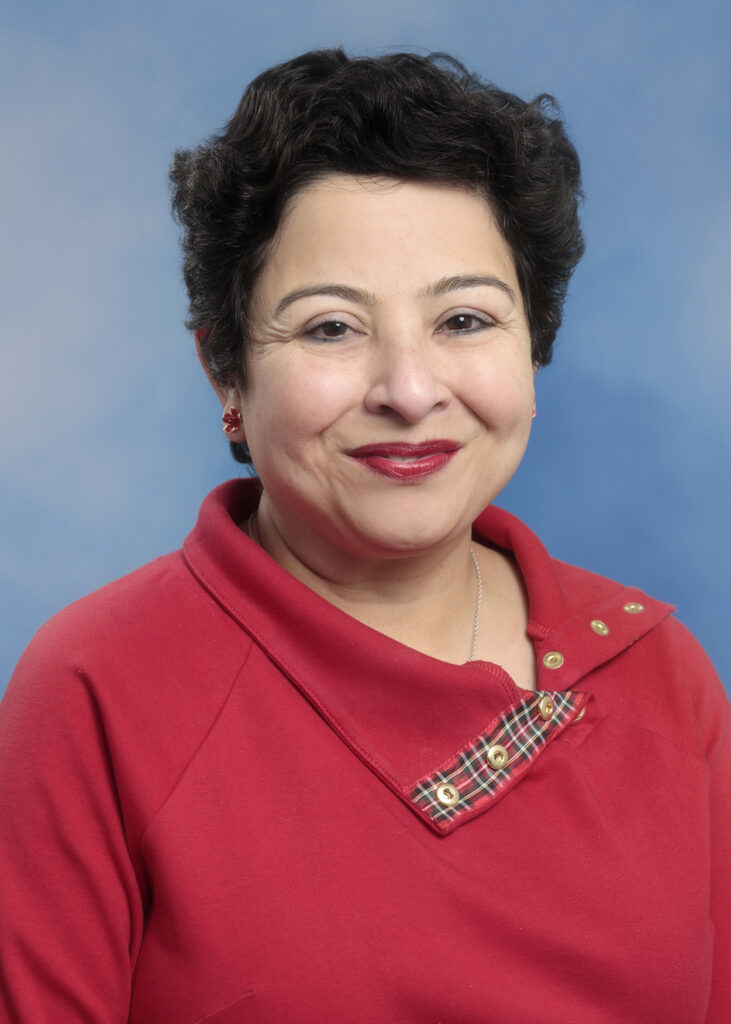
Dr. Jumee Barooah
City & State Pennsylvania, a multimedia news organization dedicated to covering the state’s politics and policy, included Dr. Barooah on its annual “Above and Beyond – Women” list, highlighting Pennsylvania’s most influential female leaders in government, advocacy, business, academia, media, and more. She joins 34 other women on City & State Pennsylvania’s list, including Shelley Riser, president and CEO of the Pennsylvania Association of Community Health Centers, and Holly Pilcavage, vice president of enrollment management and student success at Luzerne County Community College. To read the complete list, visit cityandstatepa.com.
In addition to being quadruple board-certified in internal medicine, addiction medicine, obesity medicine, and lifestyle medicine, Dr. Barooah works to improve the health and welfare of communities by providing whole-person primary and preventive health services and training the next generation of physicians.
Dr. Barooah leads one of the nation’s largest Teaching Health Center Graduate Medical Education Safety-Net Consortiums, overseeing the training of nearly 200 resident physicians and fellows. She has woven wellness, resiliency, and professional fulfillment into the fabric of graduate medical education, leading the development of a comprehensive wellness curriculum, creating new roles focused on clinician well-being, and championing visionary initiatives.
“Dr. Barooah’s impact is measurable and profound,” said Brian Ebersole, senior vice president of strategic enterprise and ecosystem development at The Wright Centers for Community Health and Graduate Medical Education. “Under her leadership, resident confidence and satisfaction have risen sharply, scholarly output has increased dramatically, and The Wright Center has deepened its commitment to trauma-informed, community-based care.”